Thank you for joining us at the conference!
We’ve gathered all our handouts, reflection tools, and bonus resources in one place to help you keep the inspiration—and the learning—going long after the session ends.
Because every strong start begins with inspired educators.
-

More to the story...
Reimagine classic villains as mirrors for children’s “big feelings.” This playful session reveals how fairy tales can nurture emotional logic, perspective-taking, and empathy in early childhood classrooms.
-

Breathe deeply...
Discover how creating margin, the space between your load and your limit, can restore calm, focus, and joy in leadership. This session helps child care directors identify overload, implement practical strategies for time and energy balance, and lead with clarity and presence. Learn to thrive instead of simply survive.
-
Find your balance
Feeling stretched thin? This interactive session invites leaders in childcare to rethink boundaries using the powerful analogy of fences. Through stories, visuals, and reflection, participants will discover their current patterns, explore real-life challenges, and leave with actionable strategies to protect their time, energy, and purpose – without guilt or burnout.
-
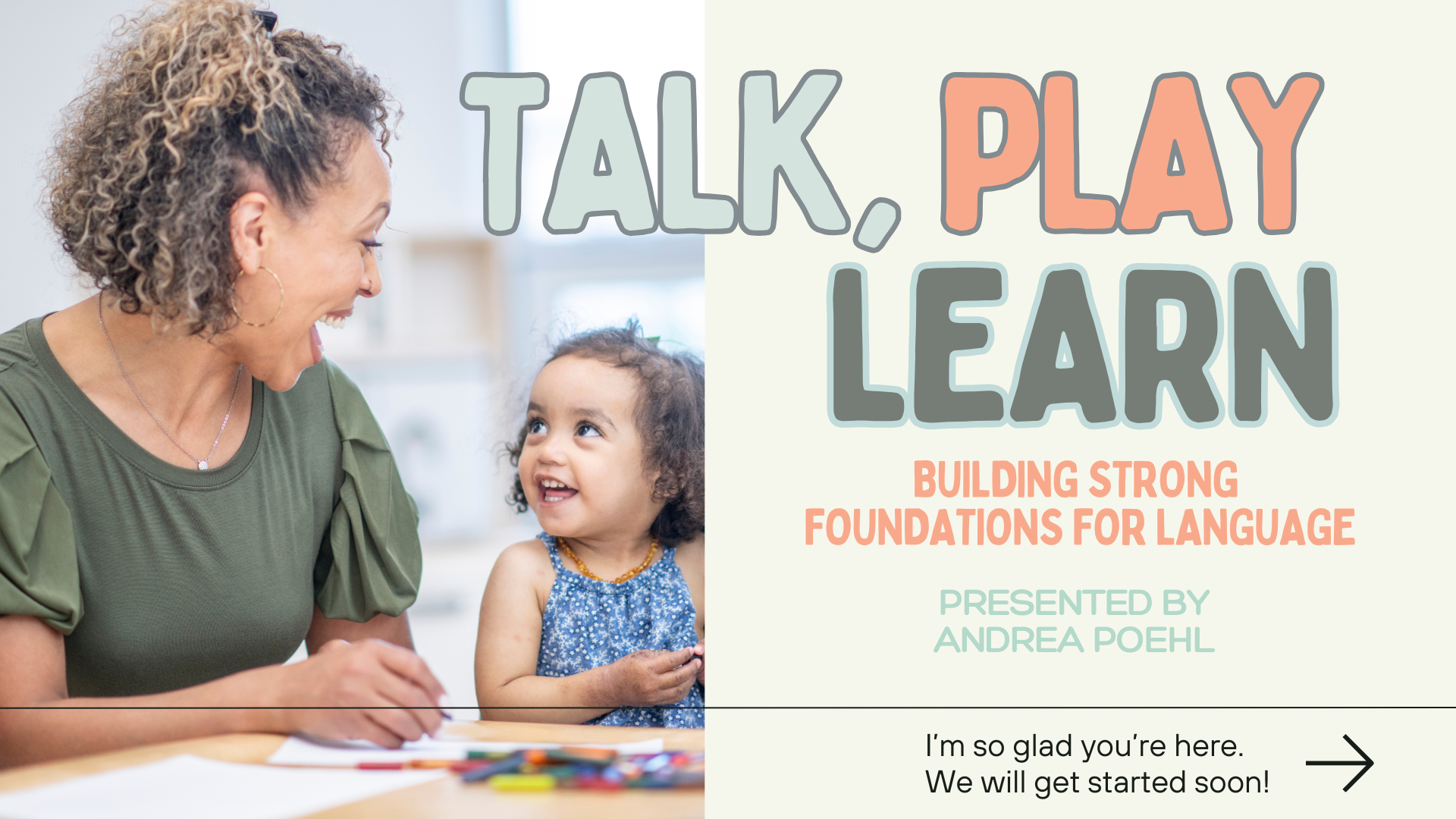
Early childhood educators are on the front lines of language development, and the interactions you have with children every day make a real difference. This training focuses on language modeling, a research-backed strategy that helps you intentionally expand children’s vocabulary, engage them in meaningful conversations, and strengthen their expressive and receptive language skills. You will learn how to embed these techniques into your existing routines and activities, from circle time to free play, in ways that feel natural and manageable. We will cover practical approaches that support cognitive growth, social-emotional development, and early literacy, with ready-to-implement tools you can use in your classroom immediately. Whether you’re working with toddlers just beginning to talk or preschoolers building complex sentences, you’ll gain concrete strategies to maximize the language-learning potential of every interaction.
-
Early childhood educators are often the first to notice signs of trauma in young children. Learn to recognize trauma responses, foster emotionally safe learning environments, and build strong, secure relationships with children. By adopting a trauma-informed lens, educators can improve classroom behavior, enhance learning outcomes, and support children’s emotional development.